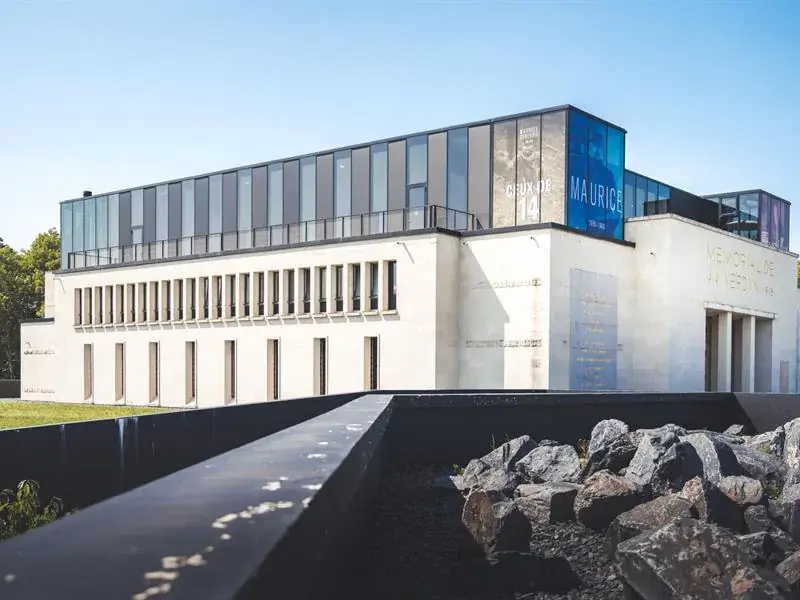
The Verdun Memorial
The reference museum on the battle of 1916, renovated for the centenary. Objects, films, French and German testimonies: the visit gives you the keys to understanding everything you will see afterwards on the battlefield.

Remembrance & heritage
From the château, fifteen minutes from Verdun, the Meuse's great sites of remembrance can be visited in a day or over a weekend.
An ideal position
The Château des Monthairons stands on the banks of the Meuse, between Verdun to the north and Saint-Mihiel to the south, midway between the two great battlefields of the Meuse. The building itself lived through both world wars, and Fort Troyon, which saved Verdun in 1914, is ten minutes from the park.
This page brings together the sites we recommend to our guests, with driving times from the château, reasonable visit durations and our advice for planning your days. The opening hours published by the sites themselves are authoritative: check them before setting out.
Three hundred days of fighting, across some ten kilometres north-east of Verdun. The sites are clustered around Douaumont and are easily visited in a day from the château.
The reference museum on the battle of 1916, renovated for the centenary. Objects, films, French and German testimonies: the visit gives you the keys to understanding everything you will see afterwards on the battlefield.
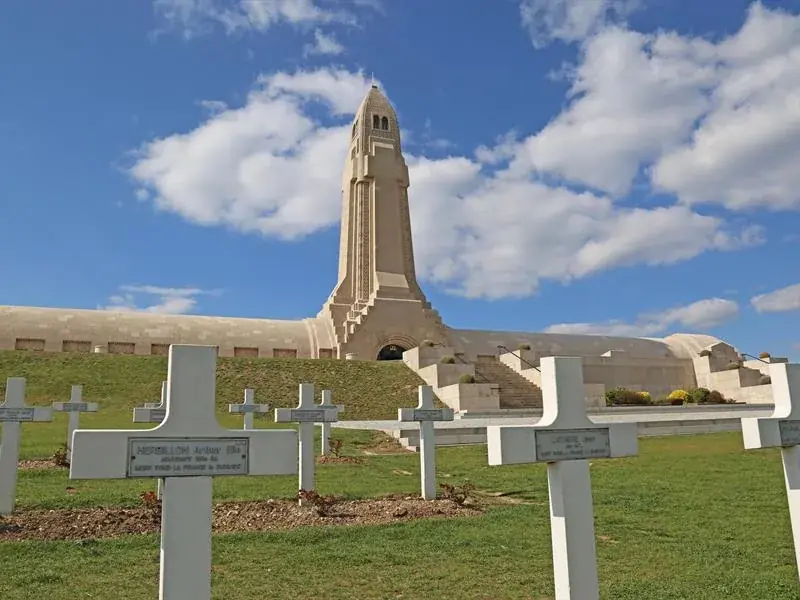
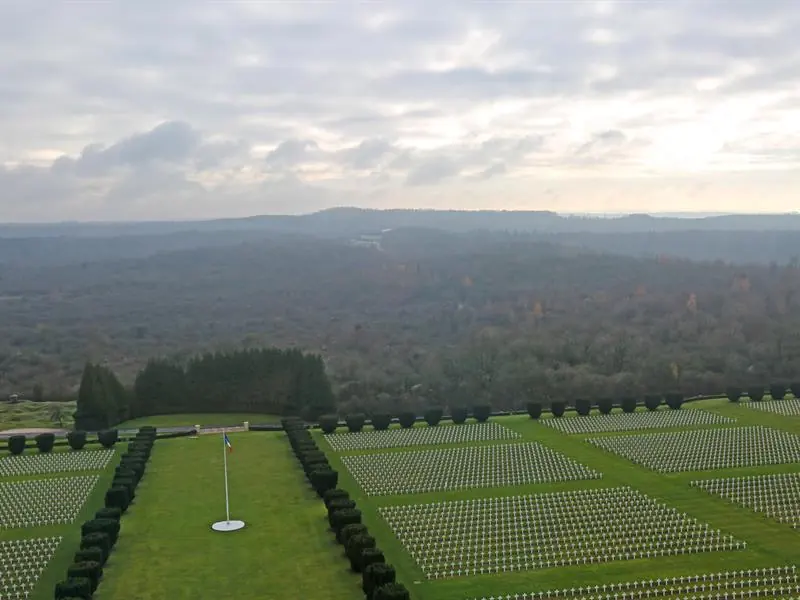
National necropolis and ossuary holding the remains of 130,000 unknown soldiers, French and German. The tower offers a striking view over the cemetery's 16,000 crosses and the churned hills of the battlefield.
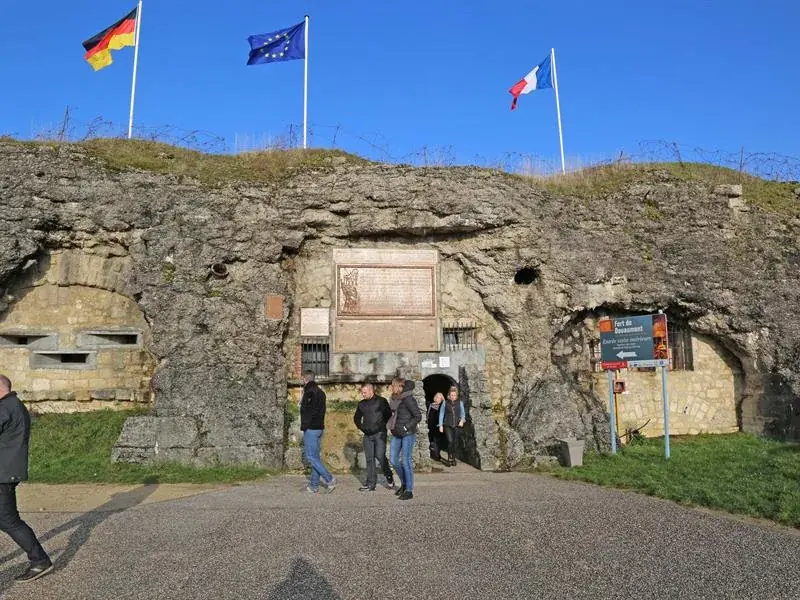
Centrepiece of Verdun's fortified belt, fallen in February 1916 and retaken in October. Galleries, casemates and turrets can be visited, in a damp, dark atmosphere that has remained intact.
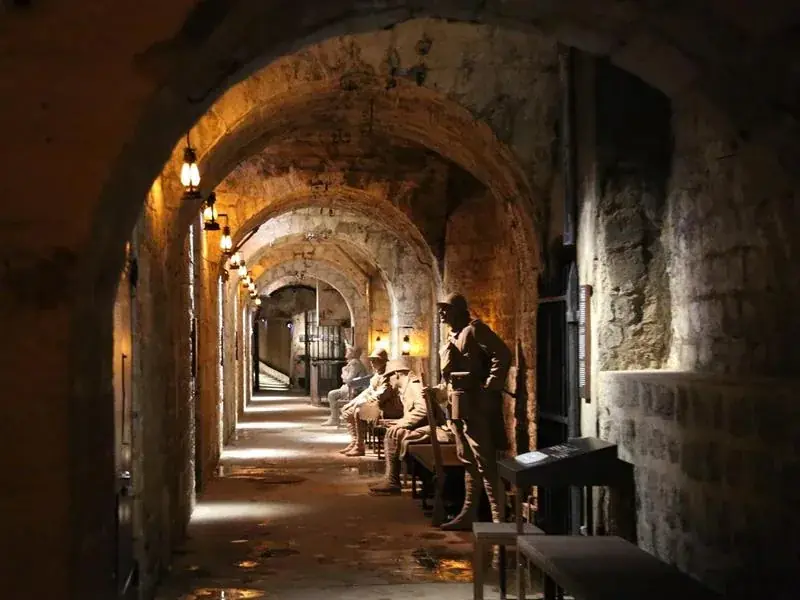
Famous for the resistance of Commandant Raynal and his garrison in June 1916, and for Vaillant, the last carrier pigeon. A walk through the corridors tells the story of a siege fought hand to hand.
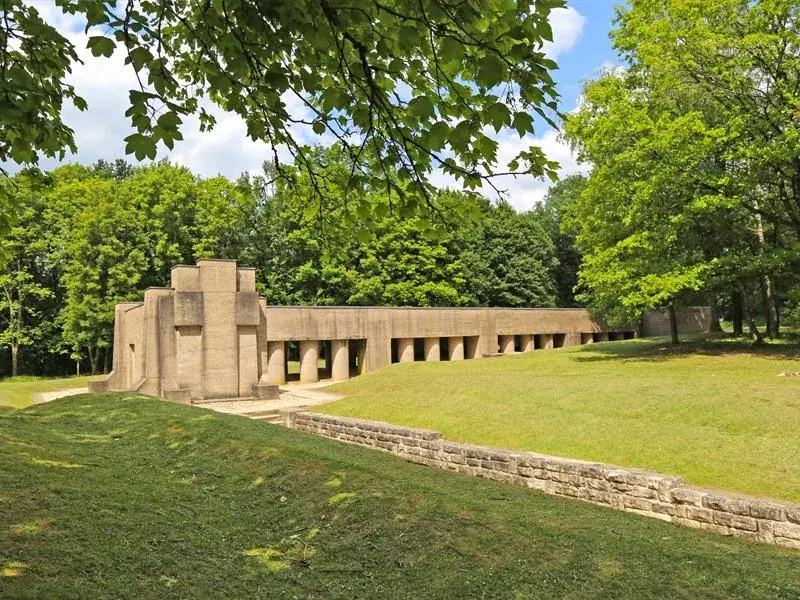
Nine villages wiped off the map in 1916 and never rebuilt: at Fleury-devant-Douaumont, markers show where the houses stood in the middle of the forest. The Trench of Bayonets, beneath its concrete slab, is one of the most moving places in the sector.
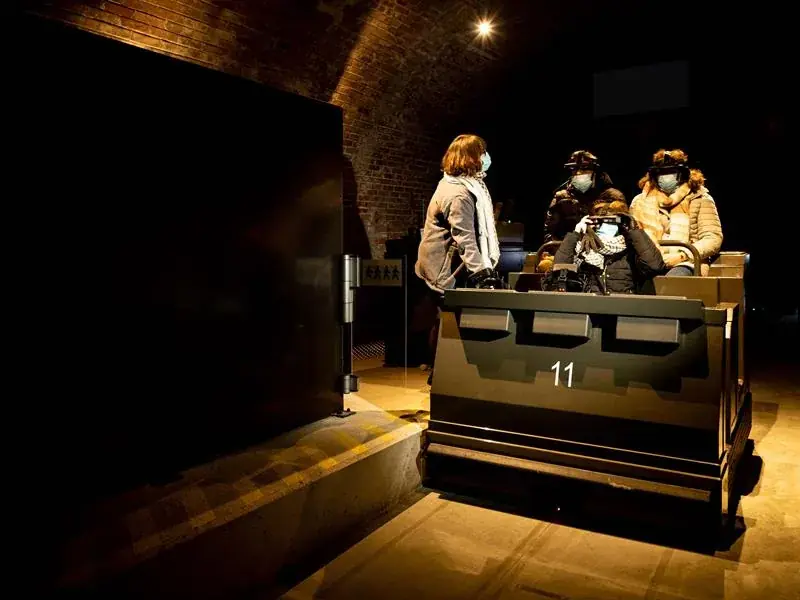
Seven kilometres of galleries dug beneath the citadel, where soldiers lived while resting from the front. The scenographic tour, aboard a gondola, brings back to life daily existence behind the lines and the choosing of the Unknown Soldier, designated here in 1920.
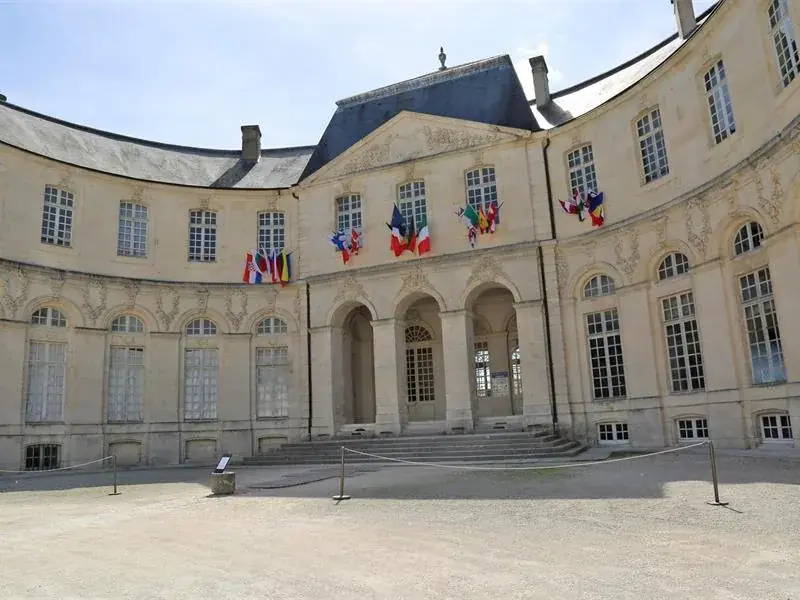
In the former bishops' palace, exhibitions on war, peace and Europe. A visit that usefully complements the remembrance sites, in the heart of the upper town, a stone's throw from the cathedral.
Between Verdun and Saint-Mihiel, the valley where the château stands was the hinge of the front for four years. Less-visited sites, often in open countryside.
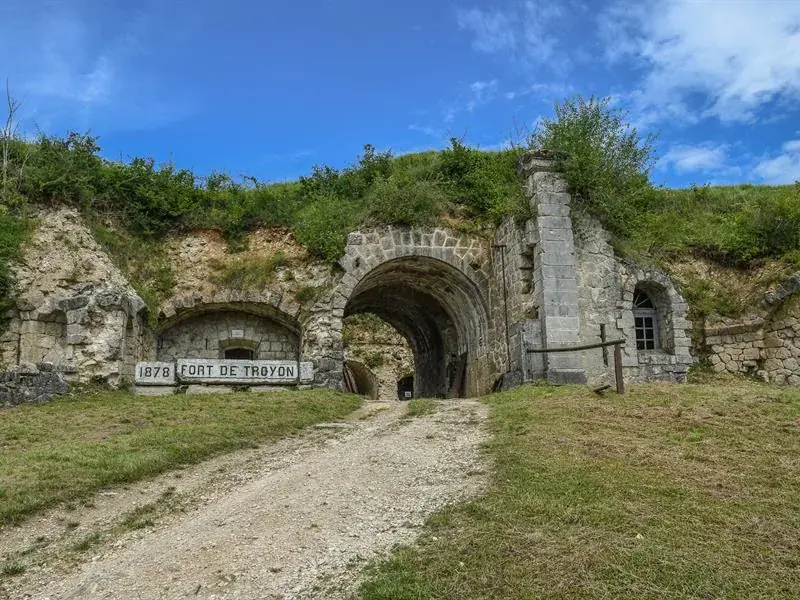
The château's neighbour. This Séré de Rivières fort, built in masonry in 1878, held out alone for five days under bombardment in September 1914 and prevented the encirclement of Verdun. The association ‘Ceux de Troyon’ brings it back to life with passion.
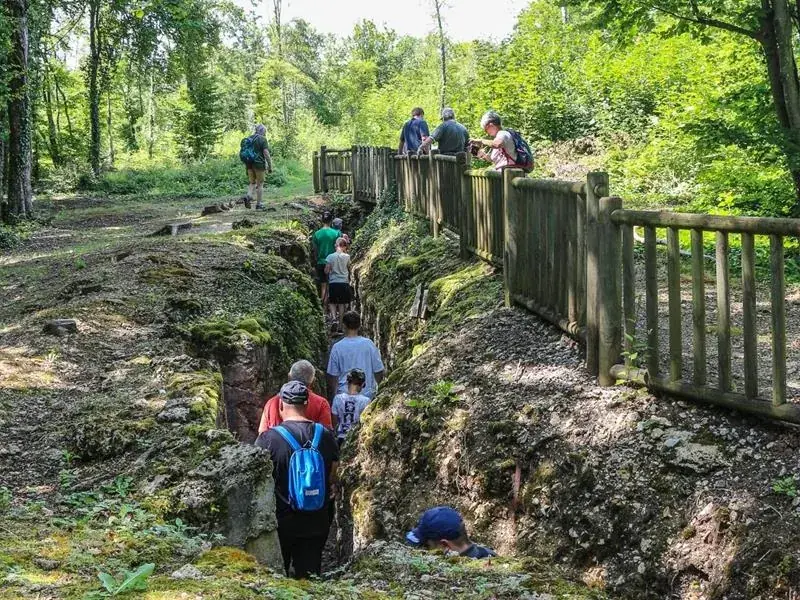
The Saint-Mihiel salient, held by the Germans from 1914 to 1918, has left rare remains: the Tranchée de la Soif in the bois d'Ailly, the positions of the bois Brûlé, and a small town with a rich heritage, including the sculptures of Ligier Richier.
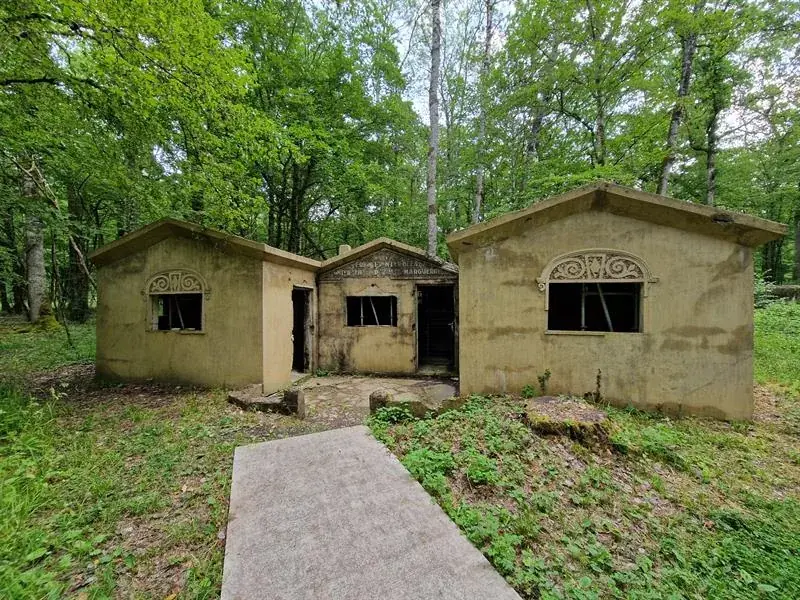
A German village behind the front, built in concrete by Captain Marguerre and preserved in the forest. Barracks, bread oven and shelters bear witness to life behind the lines.
In September 1918, the American First Army reduced the Saint-Mihiel salient and then launched the Meuse-Argonne offensive. Monuments and cemeteries of the American Battle Monuments Commission are dotted across the department.
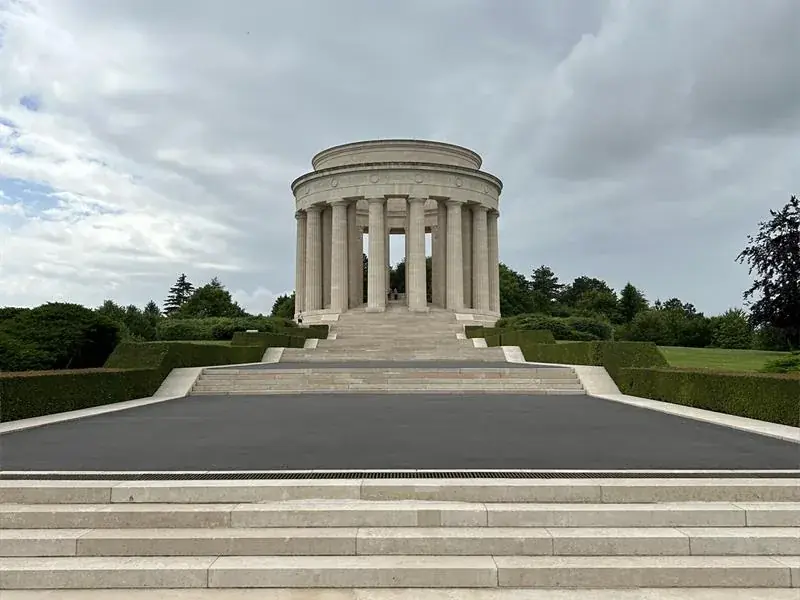
The American colonnade overlooks the Woëvre plain and Lake Madine. It commemorates the reduction of the Saint-Mihiel salient by the American First Army in September 1918. The orientation table takes in the whole theatre of operations.
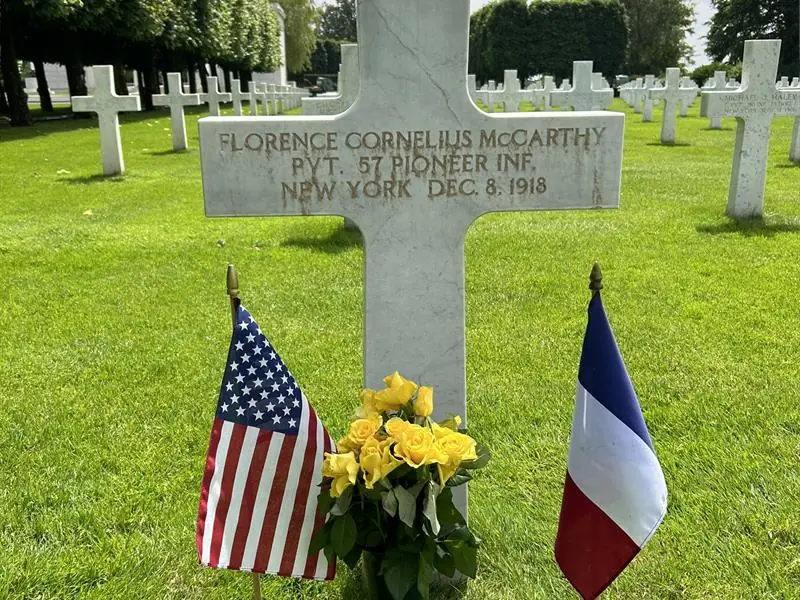
4,153 American soldiers rest in this immaculately laid-out cemetery, with its chapel and visitor centre. Guides from the American Battle Monuments Commission offer free tours on request.
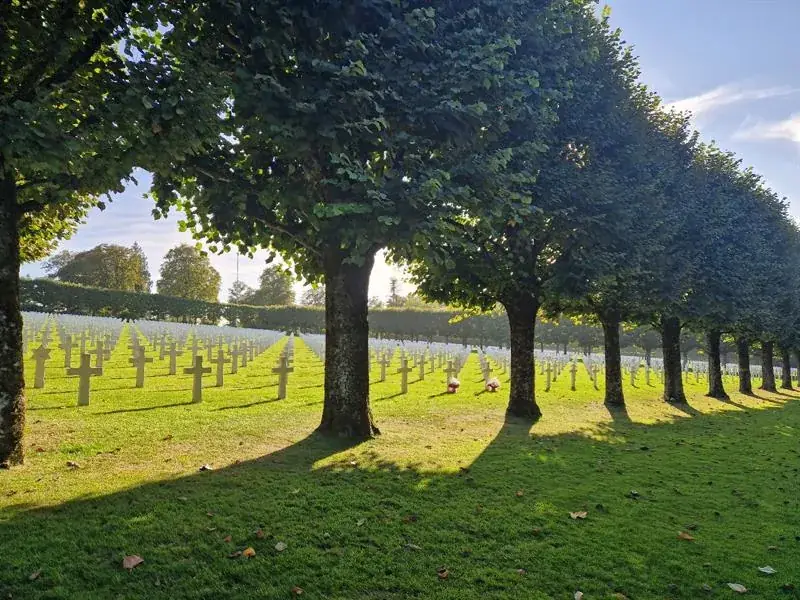
The largest American cemetery of the First World War in Europe, with 14,246 graves. A few kilometres away, the Montfaucon monument, a 60-metre column at the top of the destroyed village, offers a panorama over the whole of the Argonne.
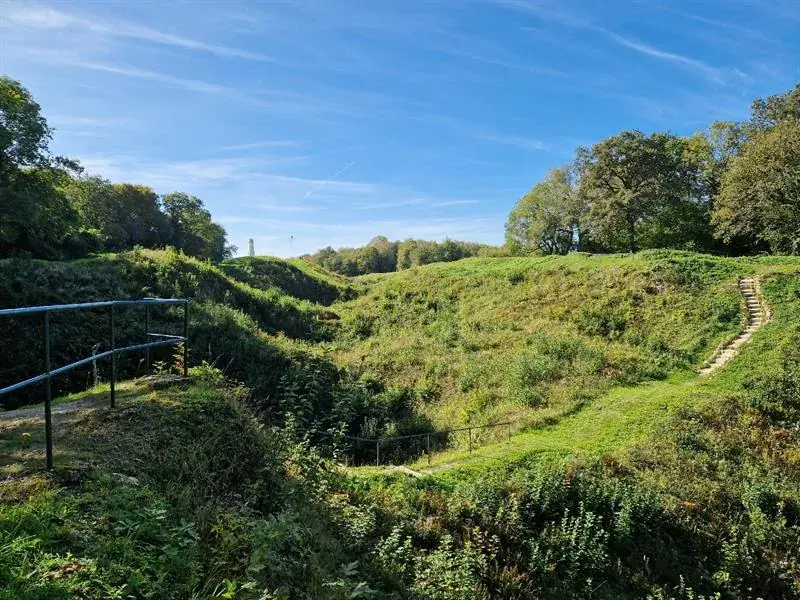
A village obliterated by mine warfare: the hill is cut in two by gigantic craters. Between the craters, the remains of the French and German galleries can be visited with the local association.
Good to know
From April to October, all the sites are open with extended hours, and the Verdun forest is pleasant to walk. Autumn, with its mists over the Meuse, lends the sites a special atmosphere. In winter, the Ossuary and the forts close earlier and some sites run by associations are not open.
The Verdun Memorial and the forts can be visited freely, with a combined ticket valid for three days. The Underground Citadel operates on timed slots: book ahead in summer. The forts of Troyon and Vauquois are run by associations, with limited opening days: check their hours before setting out.
The Verdun Memorial offers a trail designed for families, and the forts generally fascinate children from the age of 8. The Underground Citadel, visited by gondola, appeals to all ages. Bring warm clothing for the galleries and closed shoes for the battlefield.
Yes. Independent qualified guides lead day tours by private car or minibus, in French, English or German. The American cemeteries offer free tours on request. The Grand Verdun tourist office keeps the list of approved guides.
A jacket even in summer, good shoes, water and something to nibble: places to eat are scarce on the battlefield. Verdun, a quarter of an hour away, has plenty of options for lunch before heading on to Douaumont.
Between two visits
The calm of the park, the gourmet restaurant and the spa: the château is the ideal base for exploring the sites of remembrance.